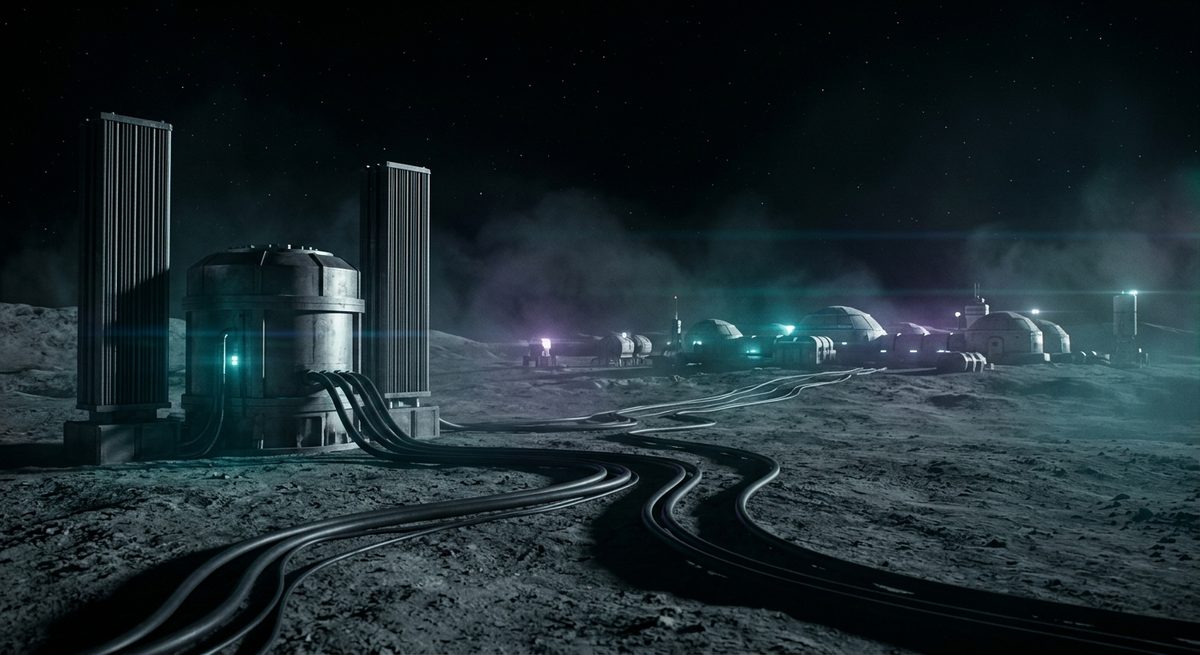
DLR has begun a programme to develop rover-based lunar-dust processing using the modular Coyote III rover and a processing unit that collects and sorts regolith. The system is intended to support future extraction of oxygen and metals, with a scenario targeting permanent human lunar habitation and local-resource use in the 2040s. A further field test is planned for early 2027 in the LUNA Hall, DLR and ESA’s joint lunar-analogue facility, where the Bremen team aims to excavate and process 100 kilograms of artificial lunar dust in one day while minimising energy consumption.
The programme addresses a foundational dependency for lunar civilisation: converting ubiquitous regolith into consumable oxygen and structural feedstock. A mobile, modular system capable of operating across rough terrain could support distributed resource sites, reduce imported mass, and improve resilience against supply-chain interruption. However, the reported 100-kilogram-per-day target is an analogue demonstration metric, not yet a proven lunar production rate; oxygen yield, metal recovery, power demand, dust contamination, maintenance intervals, and autonomy remain critical uncertainties.
The Ark team should track the early-2027 LUNA Hall test and require its results in a resource-accounting model covering kilograms processed per day, kilowatt-hours per kilogram, oxygen and metal yields, crew intervention time, component wear, and failure recovery. The Ark architecture should reserve interfaces for Coyote III-class autonomous excavators and modular processors, while prioritising redundant oxygen production, regolith-based radiation shielding, dust-tolerant mechanisms, and validation under vacuum, abrasive dust, thermal extremes, and delayed communications.