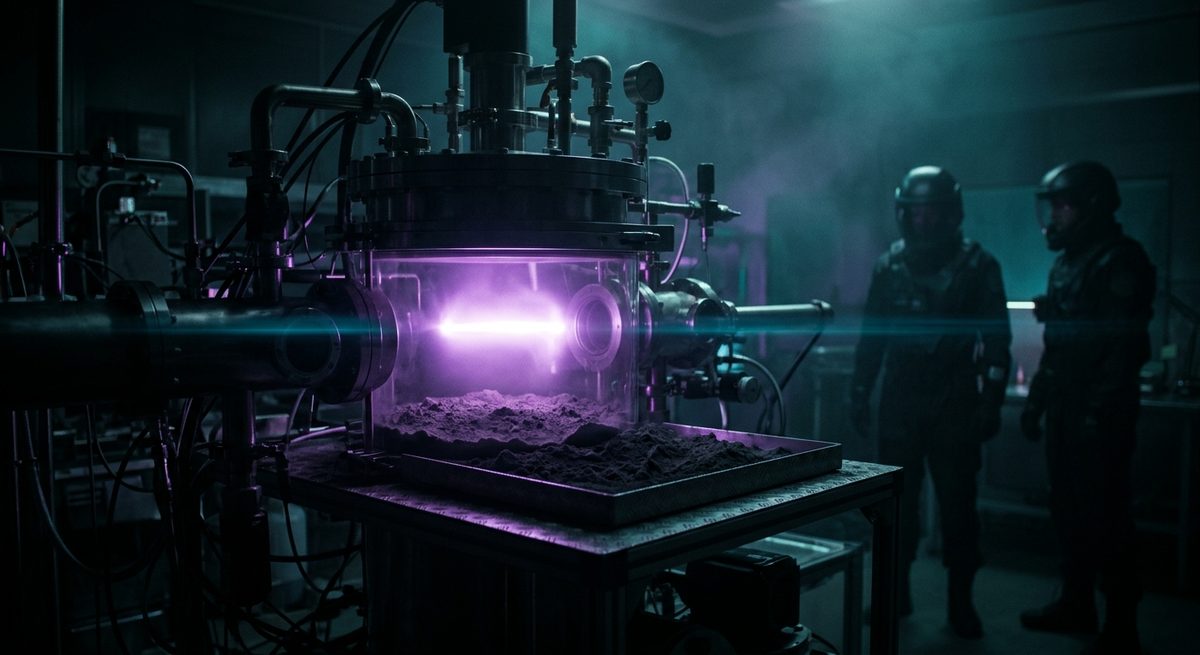
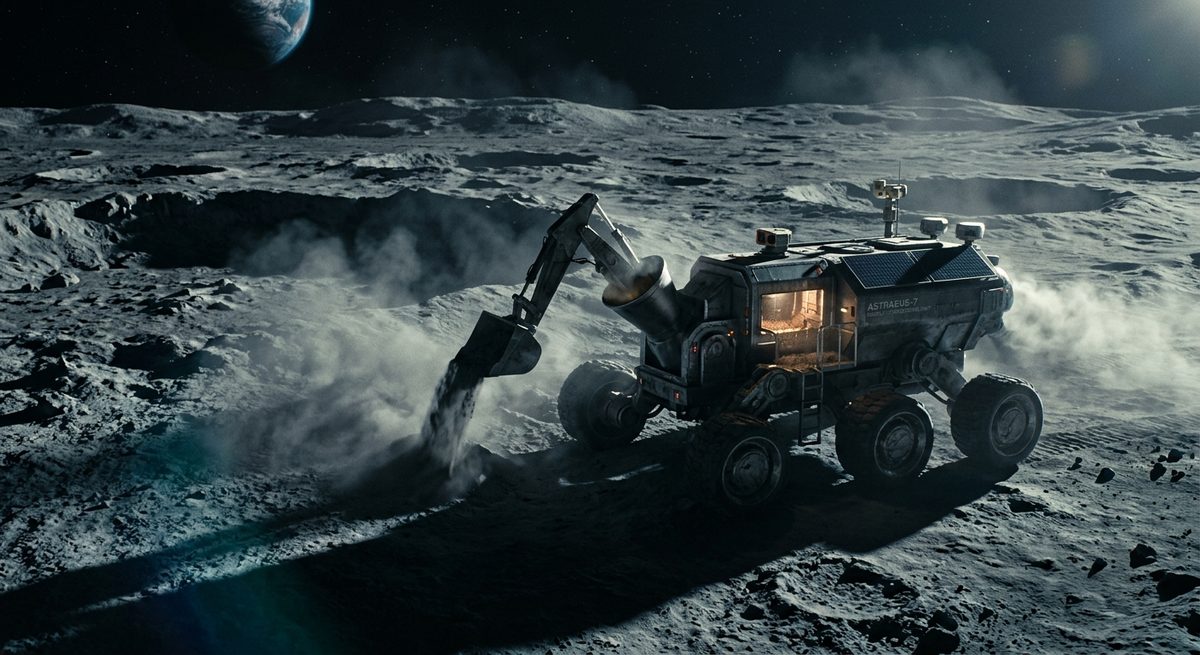
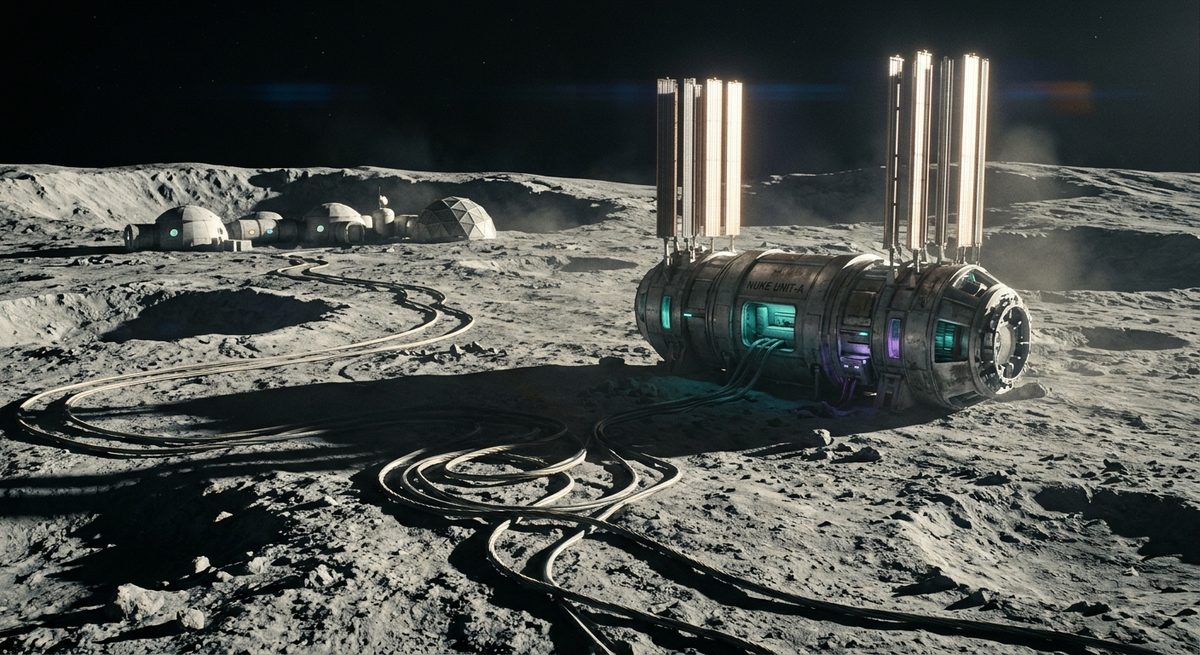
On June 22, 2022, NASA, the Department of Energy, and Idaho National Laboratory selected three industry teams to design a lunar fission surface power system deployable by the end of the decade under Artemis. Each received a 12-month, $5 million contract: Lockheed Martin with BWX Technologies and Creare; Westinghouse with Aerojet Rocketdyne; and IX, a joint venture of Intuitive Machines and X-energy, with Maxar and Boeing. The target is a 40-kWe reactor operating on the Moon for at least 10 years.
A 40-kWe fission system would provide continuous power independent of sunlight, enabling operations during the approximately 14-Earth-day lunar night and in permanently shadowed or poorly illuminated regions. Ten-year operation materially strengthens the case for sustained habitation, autonomous maintenance, communications, cryogenic storage, scientific archives, and local-resource processing; it also reduces dependence on fragile solar-battery systems and repeated Earth-launched fuel or replacement hardware.
The Ark team should track the three design studies, reactor mass and shielding, launch and landing architecture, heat rejection, startup and shutdown procedures, fuel security, maintenance assumptions, and demonstrated lifetime. Ark power planning should treat a 40-kWe-class reactor as a baseline capability, but require redundant generation, passive shutdown, spare control systems, radiation-hardened instrumentation, and at least ten years of stored operational contingencies before committing irreplaceable archives or biological assets.