Scientists cooled pig kidneys to approximately -150 °C, placing them in a glass-like state, and successfully rewarmed them after storage lasting more than one year. The kidneys were tested on perfusion machines and transplanted into pigs, where they regained normal color and produced urine; overall urine production was approximately two-thirds of expected levels, while the kidney stored for just over a year produced urine immediately. The findings were reported on bioRxiv and had not yet undergone peer review as of the article’s publication on October 15, 2026.
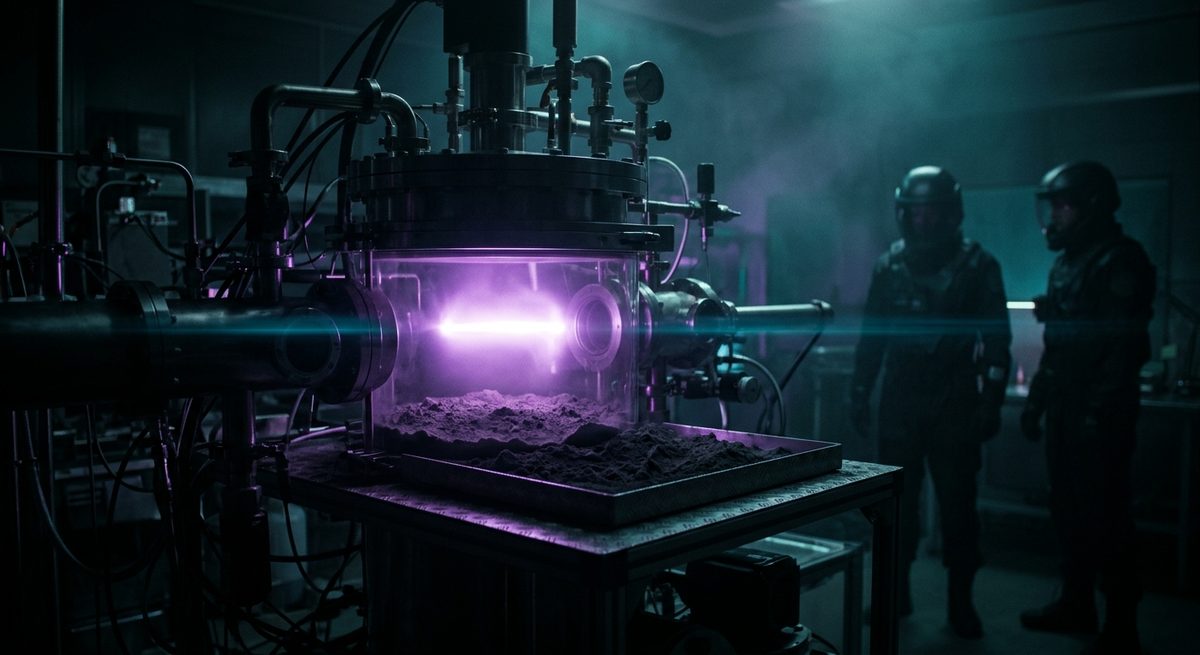
The method combines cryoprotectant loading with iron-oxide nanoparticles distributed through the organ. During rewarming, an electromagnetic radiofrequency field activates the particles, generating heat throughout the kidney rather than relying solely on external warming. This addresses a major failure mode in cryopreservation: uneven rewarming that causes thermal stress, cracking, or lethal ice formation. For lunar habitation, the approach could enable compact, long-duration inventories of kidneys and other organs, but nanoparticle distribution, cryoprotectant toxicity, radiation exposure, sterility, power requirements, and restoration of full function remain unresolved risks.
The Ark team should track peer-reviewed replication, human-organ trials, storage durations beyond one year, and extension to livers, hearts, endocrine tissues, embryos, and stem-cell-derived organs. It should commission a preservation architecture comparing cryogenic organ banks with redundant tissue-engineering systems, quantify electrical and thermal loads for lunar deployment, and require validated recovery rates near 100 percent before treating cryopreserved organs as mission-critical medical reserves.