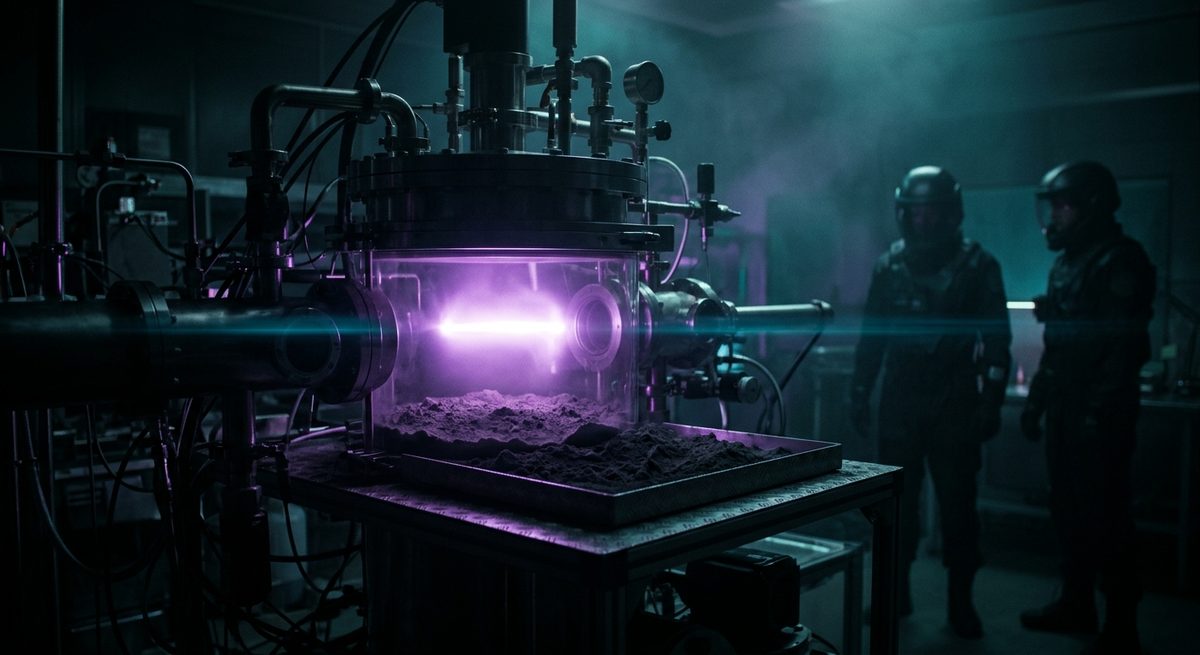
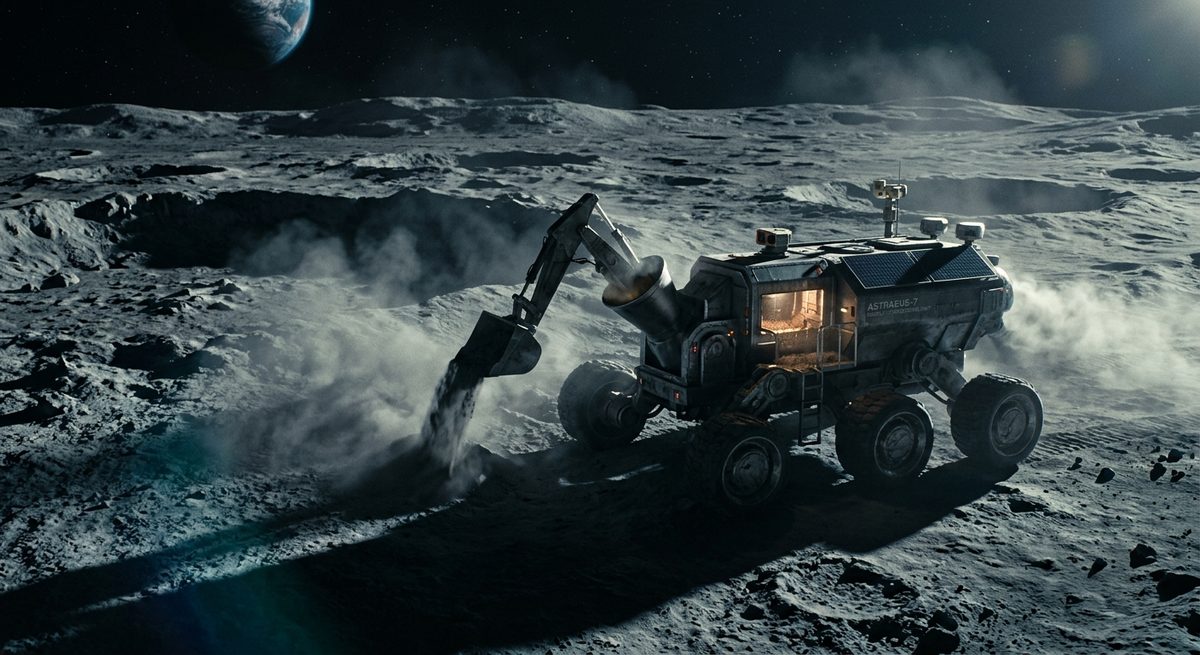
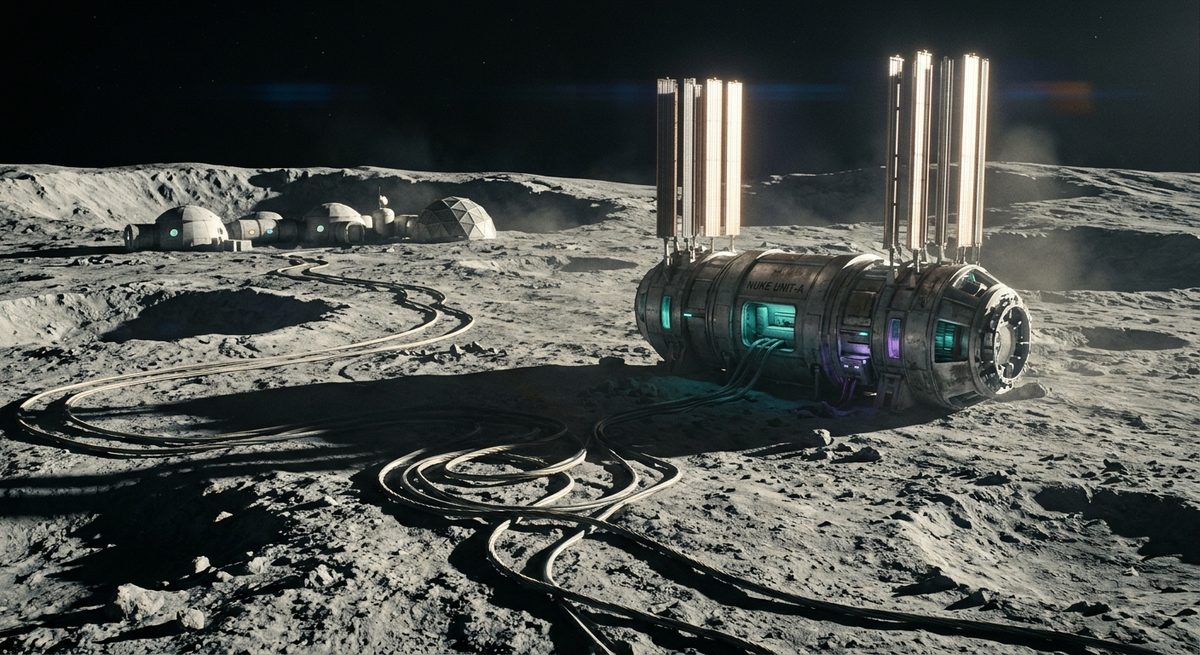
NASA presents an autonomous robotic-construction architecture for lunar surface infrastructure in the paper “Autonomy for Lunar Surface Infrastructure Construction.” The proposed system targets launch and landing facilities, environmental shelters, and tall towers for solar power or communications. Its architecture divides control into three layers: Mission-Level Autonomy, which uses global information and coordinates the robot team; Agent-Level Autonomy, which controls individual robots; and a Robotics Segment that executes physical work. Humans provide a Mission Definition consisting of task lists, while the system’s output is the physical pose of structural and outfitting components as they are manipulated and assembled.
For the Lunar Ark, the decisive implication is that infrastructure can be established incrementally without continuous human presence. Autonomous excavation, transport, assembly, inspection, and replanning could reduce exposure to radiation, dust, thermal extremes, construction hazards, and communication delays. However, the architecture is not yet a survival guarantee: failures in perception, localization, manipulation, coordination, power, or communications could propagate across interdependent infrastructure. Ark systems therefore require fault containment, independent verification, safe-state behavior, redundant hardware, local decision authority, and persistent digital records capable of surviving loss of Earth contact. NASA’s broader lunar-autonomy work identifies persistent habitats, power and data distribution, autonomous mobility, and full-stack autonomy as enabling capabilities for sustained operations.
The Ark team should track maturation of NASA’s three-layer autonomy architecture and convert it into a staged validation programme: first digital-twin simulation, then Earth analogue construction, then uncrewed lunar demonstrations. Research priorities should include autonomous inspection and repair, multi-robot task allocation, construction-material quality assurance, graceful degradation after robot loss, and certification of mission-level replanning. Integration planning should reserve standardized interfaces for robots, structural components, power, communications, navigation, and habitat outfitting, while defining human override and recovery procedures for every mission-critical task.