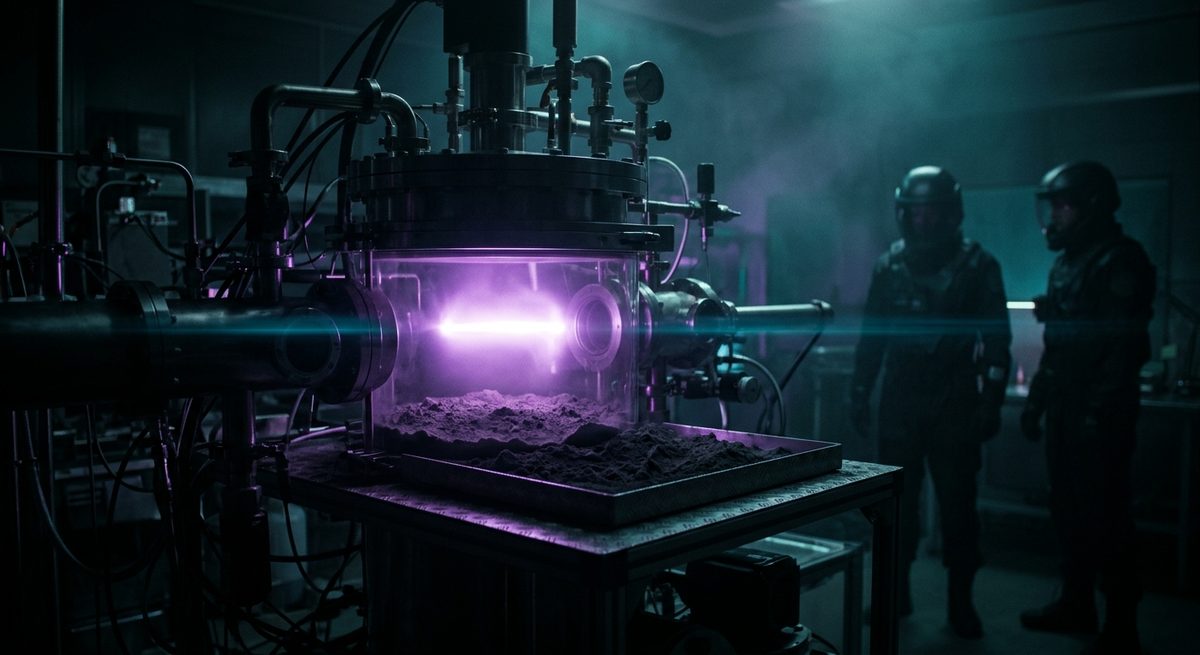
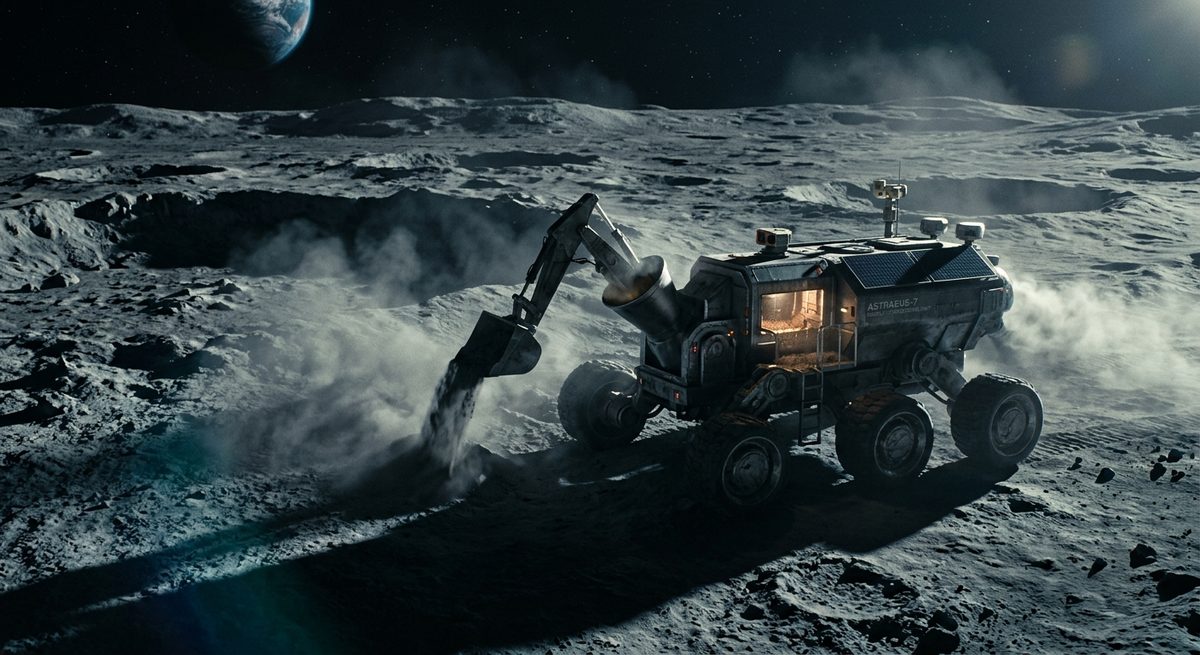
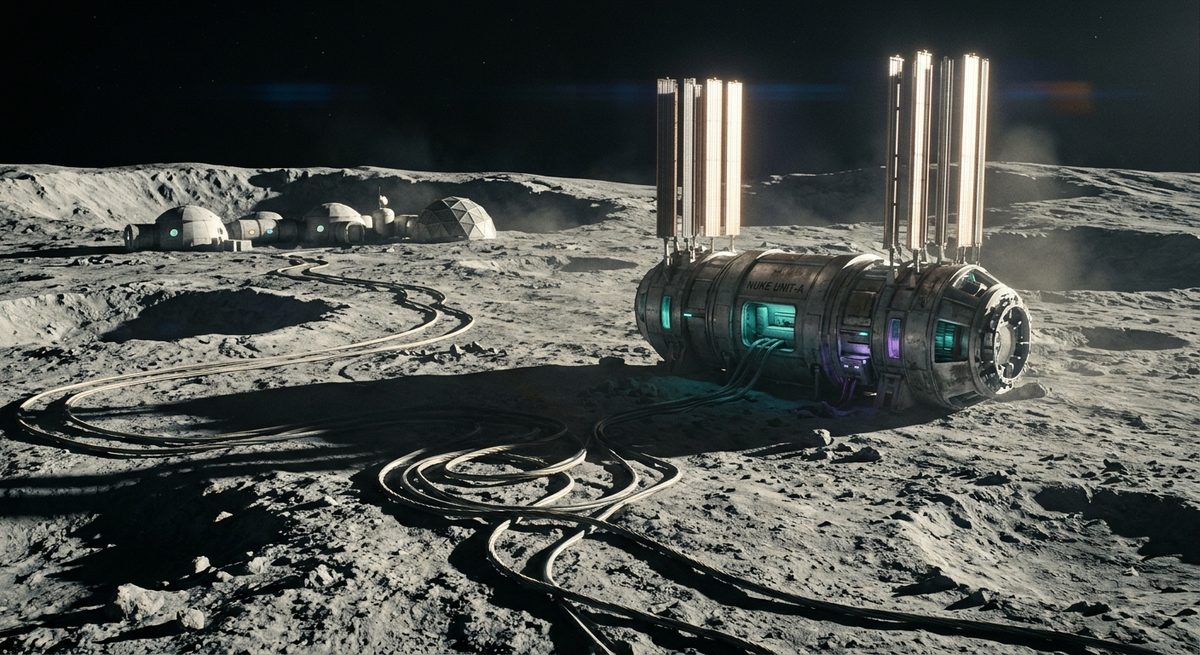
A HigherGov posting dated 2026-02-17 describes the DiLE-ARCon project as a Technology Readiness Level 6 demonstration of an integrated system that can autonomously construct structures in a vacuum chamber using lunar regolith simulant. The effort targets critical astronaut-support infrastructure, including radiation shelters and communication towers, and emphasizes modular autonomous robotic construction hardware, software, and multi-robot interoperability.
Technically, the key significance is the shift from one-off robotic construction to collaborative robotic repair and upgrade capability in a lunar environment. For the Ark, this is directly relevant to survivability because habitats, shields, towers, and utility structures will fail over time from dust, radiation, thermal cycling, and impacts; autonomous repair lowers dependence on constant crew presence and expands the margin for continuity after disruptions.
Ark teams should monitor the DiLE-ARCon TRL-6 results, the robot-to-robot interoperability approach, and the regolith-simulant construction methods. The most useful follow-on work is to evaluate whether the same architecture can support self-maintaining shelters, power structures, and communications nodes for a lunar backup civilization, and to map its requirements against existing NASA lunar infrastructure repair priorities.