SpaceWeather issued a geomagnetic storm watch for September 23-24, warning that a fast-moving stream of solar wind is expected to reach Earth and may produce minor G1-class storms. NOAA’s forecast for the same window puts the greatest expected 3-hour Kp at 5.33, with G1 conditions likely on September 24 and a slight chance of minor-to-moderate radio blackouts through September 24.
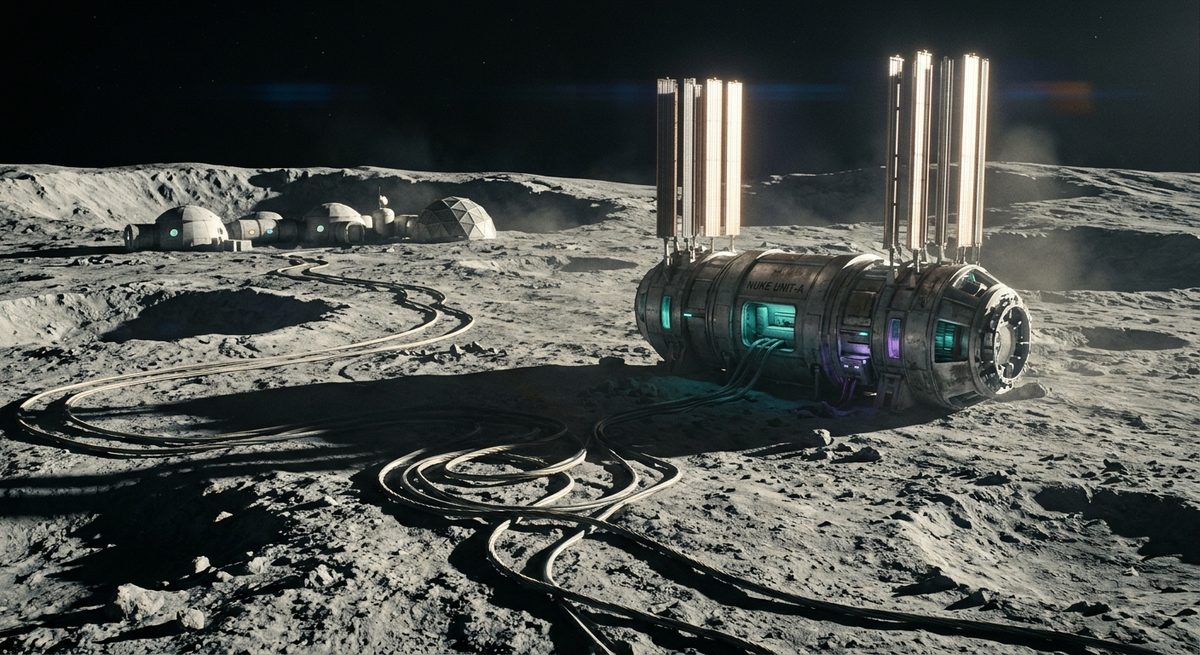
For the Lunar Ark, the key issue is not aurora visibility but electromagnetic disturbance: G1 conditions can cause weak HF radio degradation, occasional contact loss, and minor satellite-operation impacts, while induced currents can create small but real power-grid fluctuations on exposed infrastructure. On the Moon, those same solar-wind-driven disturbances can stress comm links, timing, surface power routing, and any Earth-facing relay assets that the Ark depends on for continuity.
Ark action: elevate monitoring of solar-wind speed, Kp, and HF-link stability through September 24; validate redundancy on Earth-Moon communications; and review shielding, grounding, and load-shedding procedures for surface power and relay systems. If the watch intensifies, prioritize fault logs from communications, power distribution, and any exposed electronics to build a repeatable response playbook for future coronal-hole fast-wind events.